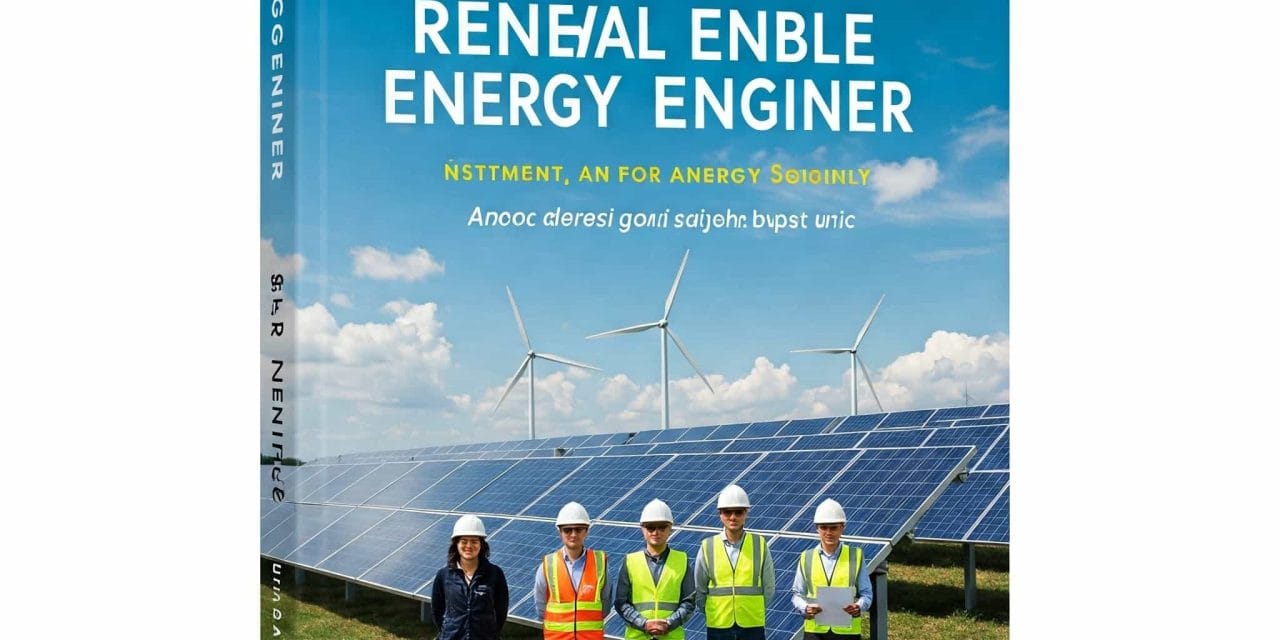
🌱 The Ultimate Guide to Becoming a Renewable Energy Engineer
🔹 Introduction
With the global push towards sustainability and reducing carbon footprints, the demand for Renewable Energy Engineers has skyrocketed. These professionals play a crucial role in designing, developing, and maintaining energy systems powered by wind, solar, hydro, and other renewable sources. If you are interested in a high-impact career that helps fight climate change, this guide will walk you through everything you need to know.
⚡ What Does a Renewable Energy Engineer Do?
A Renewable Energy Engineer specializes in designing, developing, and optimizing clean energy solutions. Their responsibilities typically include:
✔ Designing and optimizing solar panel and wind turbine systems. ✔ Conducting feasibility studies for renewable energy projects. ✔ Working with hydroelectric, geothermal, and bioenergy technologies. ✔ Developing energy storage solutions, including battery systems. ✔ Collaborating with governments, businesses, and environmental groups. ✔ Ensuring regulatory compliance and safety standards are met.
🎓 Education & Skills Required
1. Education
To become a Renewable Energy Engineer, a degree in the following fields is beneficial:
Bachelor’s in Renewable Energy Engineering
Electrical, Mechanical, or Environmental Engineering
Master’s Degree (optional but beneficial for advanced roles)
2. Essential Skills
🔹 Knowledge of solar, wind, and hydroelectric energy systems
🔹 Proficiency in CAD software (AutoCAD, SolidWorks)
🔹 Strong mathematics and physics background
🔹 Experience with energy storage systems
🔹 Ability to conduct data analysis & simulations
🏗 Top 10 Industries Hiring Renewable Energy Engineers
Solar Energy Companies 🌞
Wind Turbine Manufacturers 💨
Hydroelectric Power Plants 💧
Battery Storage & Grid Solutions 🔋
Government & Policy Organizations 🏛
Research Institutions & Universities 📚
Electric Vehicle (EV) Companies 🚗
Consulting Firms 📊
Oil & Gas Companies Transitioning to Renewables ⛽➡🌍
Non-Profit Environmental Organizations 🌿
💰 Salary & Job Outlook
| Experience Level | Average Salary (USD) |
|---|---|
| Entry-Level | $60,000 – $80,000 |
| Mid-Career | $80,000 – $110,000 |
| Senior-Level | $110,000+ |
The job growth rate in renewable energy engineering is expected to be 8-12% annually, making it one of the fastest-growing fields.
🔧 Certifications & Training
To stand out in the industry, consider obtaining certifications such as:
LEED Certification (Leadership in Energy and Environmental Design)
Certified Energy Manager (CEM)
Solar PV Certification (NABCEP)
Wind Energy Professional Certification
🌍 Free Learning Resources
Here are some free resources to kickstart your career in Renewable Energy Engineering:
🎥 EngineerHow YouTube Channel – Tutorials on renewable energy topics
📊 Comparison: Renewable Energy vs. Traditional Energy Jobs
| Feature | Renewable Energy Jobs ⚡ | Traditional Energy Jobs ⛽ |
| Sustainability | ✅ Yes | ❌ No |
| Job Growth Rate | 🔼 High | 🔽 Declining |
| Salary Potential | 💰 Competitive | 💰 Competitive |
| Future Security | 🔒 Strong | 🚨 Risky |
🚀 Steps to Start Your Career in Renewable Energy Engineering
1️⃣ Earn a relevant engineering degree
2️⃣ Gain internship or project experience in renewable energy
3️⃣ Develop technical skills in energy systems & software
4️⃣ Obtain industry certifications
5️⃣ Apply for jobs in renewable energy firms or start a business
🔗 Final Thoughts
Becoming a Renewable Energy Engineer is an exciting and fulfilling career choice with high demand, strong salaries, and a positive environmental impact. With the right education, skills, and certifications, you can contribute to a greener future while building a successful career.
📢 What are your thoughts on Renewable Energy Engineering? Let us know in the comments below!
🌟 About EngineerHow.com
At EngineerHow.com, we simplify complex engineering and IT topics for professionals, students, and enthusiasts. Our goal is to provide step-by-step tutorials and expert guides to help you master self-hosted solutions, networking, servers, and engineering topics.
📌 Explore More:
🔗 YouTube Channel – In-depth video guides
🌐 Website – More tutorials & articles
🔥 Stay updated with our latest guides and tutorials!